

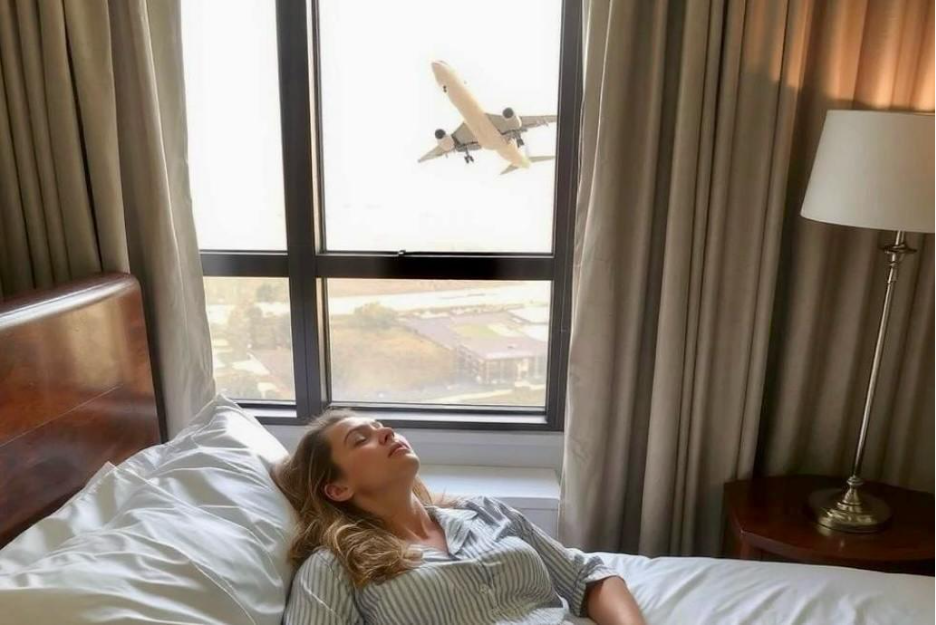

Jet lag: it’s the unwanted travel companion that can derail the best-laid holiday plans. Whether you’re heading from Sydney to London or Brisbane to New York, crossing multiple time zones can wreak havoc on your internal body clock. For Australian travellers, especially those journeying to Europe or North America, jet lag can mean days of grogginess, insomnia, headaches, and irritability—hardly the ideal start to a dream holiday.
But fear not. There are plenty of effective strategies to minimise the impact of jet lag so you can make the most of your travels right from day one. Below, we’ll explore science-backed tips and practical tricks to help reset your internal clock, along with advice for staying rested, energised, and ready for adventure.
⸻
What Is Jet Lag?
Jet lag, or desynchronosis, is a temporary sleep disorder that occurs when your body’s circadian rhythm—your internal 24-hour clock—is out of sync with the time zone you’ve travelled to. The more time zones you cross, the more likely you are to experience symptoms such as:
• Fatigue during the day
• Difficulty falling or staying asleep at night
• Poor concentration or memory
• Digestive problems
• Mood disturbances
Jet lag is generally worse when flying east rather than west, as advancing your body clock (e.g. Sydney to Los Angeles) is often easier than delaying it (e.g. Sydney to Rome). Everyone experiences jet lag differently, and age, fitness level, and even genetics can play a role in how long it lasts.
⸻
Pre-Flight Strategies to Minimise Jet Lag
Start Adjusting Before You Fly
One of the most effective strategies for reducing jet lag is to slowly shift your sleep and wake times a few days before departure. If you’re flying east, try going to bed and waking up earlier. If heading west, shift your schedule later. Even a one-hour shift can make a big difference.
Stay Well Rested
Jet lag is often worse if you’re already sleep-deprived. Prioritise good sleep in the days leading up to your flight. This helps your body better cope with the upcoming disruption and may shorten your recovery time.
Pick the Right Flight
Where possible, choose a flight that arrives in the early evening at your destination. This gives you a few hours to stay awake before bed, helping your body start adapting. Avoid flights that land early in the morning unless you’re confident you can stay up all day.
⸻
In-Flight Techniques for a Smoother Adjustment
Change Your Watch and Mindset
As soon as you board the plane, set your watch to the time at your destination. This psychological shift can help you start aligning your activities—sleeping, eating, and moving—with your new time zone.
Sleep (or Stay Awake) Strategically
Try to sleep on the plane if it’s nighttime at your destination, even if that means wearing an eye mask and using noise-cancelling headphones. Conversely, if it’s daytime where you’re headed, try to stay awake. Walk the aisles, watch a movie, or read a book.
Hydrate, Hydrate, Hydrate
Cabin air is notoriously dry, and dehydration can worsen fatigue and other jet lag symptoms. Drink plenty of water throughout the flight and avoid caffeine and alcohol, which can disrupt your sleep and further dehydrate you.
⸻
Post-Arrival Tips to Beat Jet Lag
Get Into the Local Routine
No matter how tired you are, try to follow the local schedule as soon as you arrive. Eat meals, sleep, and engage in activities at the local time—even if that means powering through the first day. This is one of the most important factors in resetting your internal clock.
Spend Time in Natural Light
Sunlight is your body’s most powerful circadian cue. Spend time outdoors, especially in the morning. This helps suppress melatonin (the sleep hormone) and signals to your body that it’s time to be awake.
Take Short Naps (If You Must)
If you’re completely exhausted, a brief nap (20–30 minutes) can help refresh you without throwing off your nighttime sleep. Avoid napping for longer periods, especially late in the day.
⸻
Helpful Tools and Supplements
Melatonin
Melatonin supplements can be a helpful tool for managing jet lag, particularly when travelling east. Taking a low dose (0.5–3 mg) about an hour before bedtime in your new time zone can help promote sleep. You can buy melatonin over the counter in lower dosages in Australia if you are over 18 years old. If you are over 55, you can request a higher dosage through your GP. Always check with your GP before using any supplement, especially if you’re taking medication.
Sleep Aids and Jet Lag Apps
Consider using jet lag apps like Timeshifter or Uplift, which provide personalised schedules to help you adjust based on your flight details. Noise machines, blackout curtains, and white noise apps can also assist with getting quality rest at your destination.
⸻
Children and Jet Lag
If you’re travelling with kids, be prepared for a few challenging days. Children often adapt faster than adults but may still struggle with mealtimes, sleep, and crankiness. Stick to routines where possible, provide comfort items from home, and allow extra rest and downtime in the first few days.
⸻
Don’t Let Jet Lag Ruin Your Trip
Jet lag can be a nuisance, but it doesn’t have to derail your holiday. With a bit of preparation and flexibility, you can minimise its effects and start enjoying your trip from the get-go. Remember, every traveller is different, so experiment with what works best for your body and travel style.
⸻
A Note on Travel Insurance and Missed Flights
Even with the best intentions and planning, jet lag can catch you off guard. If you oversleep and miss a flight, connection, or tour, the costs can quickly add up. This is where having comprehensive travel insurance becomes invaluable.
At Go Insurance, we understand that travel doesn’t always go to plan. That’s why our policies can cover unexpected issues like missed flights due to unforeseen delays—including sleeping in due to severe jet lag. You can get started with a free quote on our website and ask any travel insurance questions you may have to our friendly chatbot Oskar—he’s here to help you get covered quickly and easily.
Travel insurance is your ticket to peace of mind and a more restful holiday, knowing you and your savings are protected in case the unexpected happens.
⸻
Safe travels and sweet dreams—wherever you’re headed!