

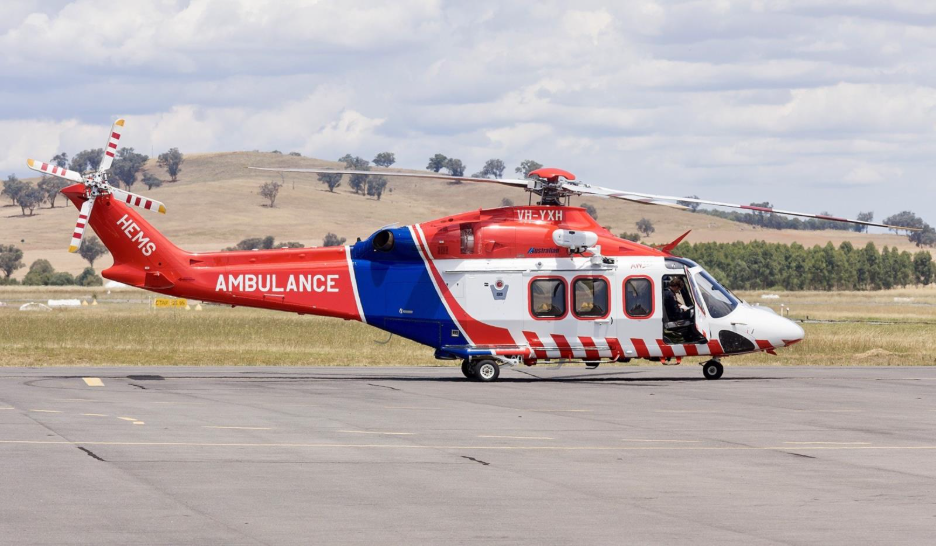

Travelling abroad is one of life’s greatest joys – discovering new cultures, relaxing on a beach, or exploring far-flung corners of the world. But while most trips go off without a hitch, unforeseen emergencies do happen. One of the most serious – and expensive – events you can encounter overseas is needing a medical evacuation. Whether you’re struck by sudden illness on a remote island, injured while trekking through the Himalayas, or caught in a natural disaster, the ability to be evacuated quickly and safely to receive proper medical care can be lifesaving.
Medical evacuation coverage, often included in comprehensive travel insurance policies, is a crucial but often misunderstood component of your protection while travelling. Here’s what Australian travellers need to know.
⸻
What Is Medical Evacuation?
Medical evacuation, also known as medevac, refers to the emergency transport of a patient from one location to another for medical treatment. This can include:
• Transport by air ambulance, helicopter, or boat
• Transfer from a remote location to a major hospital
• Repatriation to Australia if ongoing care is required
Unlike standard medical treatment, medical evacuation involves complex logistics, international coordination, and highly specialised services – all of which come at a steep cost.
⸻
Why You Might Need a Medical Evacuation
While nobody plans to get seriously ill or injured while overseas, there are numerous situations where an evacuation could become necessary, including:
• Accidents or injuries: such as road accidents in developing countries, hiking falls, or serious sports injuries
• Severe illness: like a heart attack or stroke in a region without adequate medical facilities
• Cruise ship emergencies: where you’re far from land-based medical centres
• Natural disasters: such as floods, landslides, or earthquakes that block access to roads or hospitals
In these situations, local medical facilities may not have the capability or equipment to handle critical care, making emergency evacuation essential for your survival and recovery.
⸻
The Cost of Medical Evacuation
Medical evacuations are extremely expensive, especially when they involve international transport or require an air ambulance. According to industry estimates:
• An air ambulance from Bali to Australia can cost between $40,000 and $90,000 AUD, depending on the medical team required and aircraft used.
• A medical evacuation from Europe to Australia could exceed $150,000 AUD.
• Even a short-distance helicopter rescue from a cruise ship or mountainous area can cost $10,000 to $30,000 AUD.
These are not amounts you want to be out of pocket for in an emergency.
For more information on typical medical evacuation costs and the types of services involved, see this detailed guide by the International Air Ambulance Alliance .
⸻
Medical Evacuation and Cruise Travel
Cruise holidays are increasingly popular among Australian travellers, but they come with unique risks when it comes to medical care. Onboard medical centres are equipped to handle minor illnesses and injuries, but they’re not hospitals. If you suffer a serious health crisis like appendicitis, a stroke, or a broken bone while at sea, you may need to be:
• Airlifted by helicopter to the nearest hospital
• Transferred via rescue boat or tender to shore
• Evacuated to another country with more advanced medical facilities
These operations require coordinated international response, are time-sensitive, and can cost tens of thousands of dollars. Many cruise lines require passengers to have comprehensive travel insurance that includes evacuation coverage, especially for remote itineraries like Alaska, Antarctica, or the South Pacific.
Go Insurance offers specialised cruise travel insurance coverage that includes medical evacuation and other protections specific to cruise travellers.
⸻
Natural Disasters and Difficult-to-Reach Locations
Another major reason for needing medical evacuation is being affected by a natural disaster in a remote area. Australians often travel to destinations prone to:
• Flooding (e.g. parts of Asia during monsoon season)
• Earthquakes (e.g. Indonesia, Japan, Nepal)
• Tropical storms and cyclones (e.g. Fiji, Caribbean)
In these scenarios, local infrastructure may be damaged or roads completely impassable. If you require urgent medical help, evacuation by helicopter or boat may be the only option.
Medical evacuation coverage ensures that, even in these worst-case scenarios, you’ll be able to receive urgent care in a timely manner.
For up-to-date alerts about disasters abroad, Australians can visit Smart Traveller’s crisis and emergency advice , a resource provided by the Australian Government.
⸻
How Travel Insurance Helps
Medical evacuation is not covered by Medicare, and many countries do not offer free healthcare to foreign visitors. Without travel insurance, you or your family would need to cover all evacuation costs upfront — something that can be financially devastating.
Here’s how travel insurance with evacuation coverage helps:
• 24/7 emergency assistance: Most travel insurance providers, including Go Insurance, offer a global assistance team to organise evacuation logistics, liaise with hospitals, and provide language support.
• Immediate coordination: The insurer can charter air ambulances or helicopters faster than you could arrange privately.
• Covers all transport and medical costs: Not just the flight or boat, but also the onboard medical team, medications, equipment, and ground transfers to hospitals.
• Ongoing repatriation: If you can’t continue your trip, your insurance can cover the cost of returning to Australia under medical supervision.
Without this coverage, you risk delays in care – which can mean the difference between life and death.
⸻
Real Stories: When Medical Evacuation Saves Lives
At Go Insurance, we’ve assisted countless Australians who faced the unexpected overseas. Take the case of a customer on a Mediterranean cruise who suffered a heart attack. Thanks to their comprehensive cruise travel insurance, they were airlifted from the ship to a hospital in Italy, underwent emergency surgery, and were later medically escorted back to Australia — with all costs covered.
Without insurance, this would have cost their family upwards of $120,000 AUD.
⸻
Don’t Leave Home Without It
While it’s easy to focus on the excitement of your next trip, it’s just as important to prepare for emergencies. A sudden accident or medical issue could leave you stranded in a remote area, unable to access proper care. Medical evacuation coverage is not just a policy extra – it’s a safety net that ensures you get the help you need, fast, without being burdened by massive expenses.
Whether you’re embarking on a cruise, heading to a remote eco-lodge, or travelling during storm season, make sure your policy includes comprehensive medical evacuationbenefits.
Explore Go Insurance’s wide range of travel insurance plans tailored to your needs, including options for cruises and remote destinations, at www.goinsurance.com.au.
⸻
Useful Resources
• Smart Traveller – Crisis and Emergency Advice (Australian Government)
• International Air Ambulance Alliance – Understanding air ambulance logistics and costs
• Go Insurance Cruise Travel Insurance – Coverage for medical emergencies at sea